
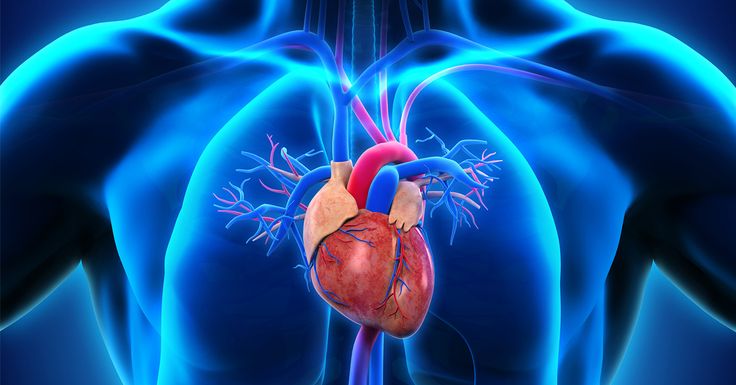
The best Pacemaker doctor in Patna is generally an electrophysiologist or a cardiologist who specializes in disorders related to the rhythm of the heart. The cardiothoracic surgeons diagnose, implant, and manage heart rhythm devices. He treats those conditions where the heart beats too fast, too slowly, or even irregularly. The primary and initial goal of the pacemaker doctor is to manage arrhythmias that are responsible for the disruption of the normal function of the heart.
Understanding Bradycardia
The condition Bradycardia refers to a resting heart rate that is below 60 beats per minute. This rate of heartbeat is too slow to pump oxygen-rich blood effectively. This condition is caused by heart damage, Sinus node dysfunction, or side effects of some medications. While this condition can be harmless for athletes, it can still cause severe complications such as heart failure or cardiac arrest.
Let’s know the Causes of Bradycardia
Major causes are broken down into some categories –
● Cardiovascular and age-related causes:
1. Ageing – This causes natural wear and tear of the electrical pathways of your
heart.
2. Heart Tissue Damage – This condition is the result of a heart disease, infection
like myocarditis, or even a heart attack.
3. Congenital Defects – These defects are the heart conditions that are present at
birth.
4. Heart Block – Also known as Atrioventricular Block, it is an interruption of
electrical signals that are between the chambers of your heart.
5. Sick Sinus Syndrome – This syndrome is the malfunction of the natural
pacemaker of your heart, the SA node.
● Metabolic as well as Lifestyle Factors:
1. Electrolyte Imbalance – Abnormal levels of calcium or potassium present in the
blood.
2. Hypothyroidism – An underactive thyroid gland. It slows down the metabolic
processes.
3. Obstructive Sleep Apnea – Repeated pauses while you breathe during your
sleep.
4. Severe Hypothermia – Body temperature is extremely low.
5. Physical Conditioning – Highly trained athletes usually have a low resting heart rate.
6. Vagus sNeve Stimulation – The nerve controlling heart rate is overstimulated.
Several other causes could be various medications and substances, such as cardiac drugs, smoking, alcohol consumption, or psychiatric medication, like various sedatives, opioids, and lithium. Some medical procedures can cause complications, which could also cause Bradycardia.
Common symptoms of Bradycardia
1. Weakness and Fatigue – If you feel constantly drained.
2. Fainting or near fainting – Also known as Syncope, you could feel a sudden loss of consciousness.
3. Lightheadedness or Dizziness – It is due to the reduction in the blood flow to the brain.
4. Shortness of breath – Breathlessness, specifically with minimal exertion.
5. Chest Pain or Discomfort – Feeling pressure on your chest.
6. Memory problem or confusion – Difficulty focusing.
7. Palpitations – Feeling as if your heart is skipping beats.
8. Cold hands or feet – This is because of poor circulation.
Common symptoms of Bradycardia
The treatment of Bradycardia emphasizes increasing the slow heart rate, which generally beats per minute, based on the severity of symptoms and their underlying causes as well. Core approaches, in severe cases, include permanent pacemakers, adjustment of medications, and emergency IV medications – atropine, often guided by the best pacemaker doctor in Patna. If it is asymptomatic, then treatment is generally not required.
- Medications – In emergency cases, atropine is the first-line intravenous drug, which is given to treat symptomatic bradycardia. Other such medications include dopamine or epinephrine for the stabilization of patients in case of emergency.
- Temporary Pacing – This is used in acute situations for the purpose of short-term relief.
- Permanent Pacemaker – This is the most effective long-term treatment for the purpose of persistent and symptomatic bradycardia, which is caused by sick sinus syndrome or heart block.
- Medication Management – If medications are leading to a slow heart rate, the doses of medicines can be adjusted or altered.
- Treating underlying causes – Addressing issues such as hypothyroidism, electrolyte imbalances, or even infections.
Conclusion:
After the effective treatment has been done, you must focus on the aftercare for Bradycardia, which involves monitoring your pulse, management of underlying causes such as thyroid issues, as well as adopting a heart-healthy lifestyle, like a reduction in caffeine or alcohol. If you have a pacemaker, you should avoid heavy lifting or rubbing for at least two weeks. Moreover, you should seek immediate care in case you are fainting, experiencing severe pain in your chest, or having breathing issues. For the best treatment of Bradycardia, you must visit the best cardiologist in Patna.